


329 Children, 13 Nutrition Programs: Celebrating National Nutrition Week 2026

How Healthy Little Heroes brought food, nutrition and hands-on learning to early childhood services across Sydney during National Nutrition Week.
From curious questions about fruit and vegetables to conversations about how food helps our bodies grow, National Nutrition Week 2026 was a reminder of just how much young children have to say about food when they are given the opportunity to explore it.
During the week of 12–18 October, Healthy Little Heroes delivered 13 nutrition education sessions across 9 early childhood education services, reaching 329 children. We also represented Healthy Little Heroes at Western Sydney University’s World Food Day Expo at the Hawkesbury campus.
It was a busy week of travelling, preparing fresh produce, packing and unpacking props and, most importantly, creating opportunities for young children to learn about food in a fun way.
National Nutrition Week in numbers
329 children reached through nutrition education
13 nutrition education sessions delivered
9 early childhood services visited
1 university expo attended at Western Sydney University
Returning to where it all began
One of the most memorable moments of the week took place at a childcare service in Kurrajong, Hawkesbury.
It was the same service I attended as a four-year-old. Now, 28 years later, I returned as a nutritionist and founder of Healthy Little Heroes, carrying a trolley full of soft fruit and vegetable toys, fresh produce and shopping baskets.
As I walked through the front door, the children were already waiting for the special show.
“What’s in your box?”
“What are you doing here?”
I asked the group, “Who knows what a nutritionist is?”
One child explained that a nutritionist plants seeds, grows fruit and vegetables, and then eats them. Another called out “blueberries!” while a little girl shared that she loved apples.
The conversation quickly turned to what children already knew and loved about food.
We explored how different foods help our bodies grow and function. One child even explained that vegetables help our hearts and red blood cells.
Perhaps one of the sweetest comments came from a child who told me, “I have a little brother that I can tell about rainbow fruits and vegetables.” That comment captured something important: children are not simply recipients of information. They are active participants in their learning, eager to share ideas and make connections.
At the end of the session, the children asked if I would visit again. Their educators shared how engaged the group had been and expressed interest in welcoming Healthy Little Heroes back next year.
For me, returning to a place that was part of my own childhood made the experience especially meaningful.
Making nutrition education hands-on
Young children learn about the world through play, movement, exploration and conversation. Nutrition education in early childhood should reflect this.
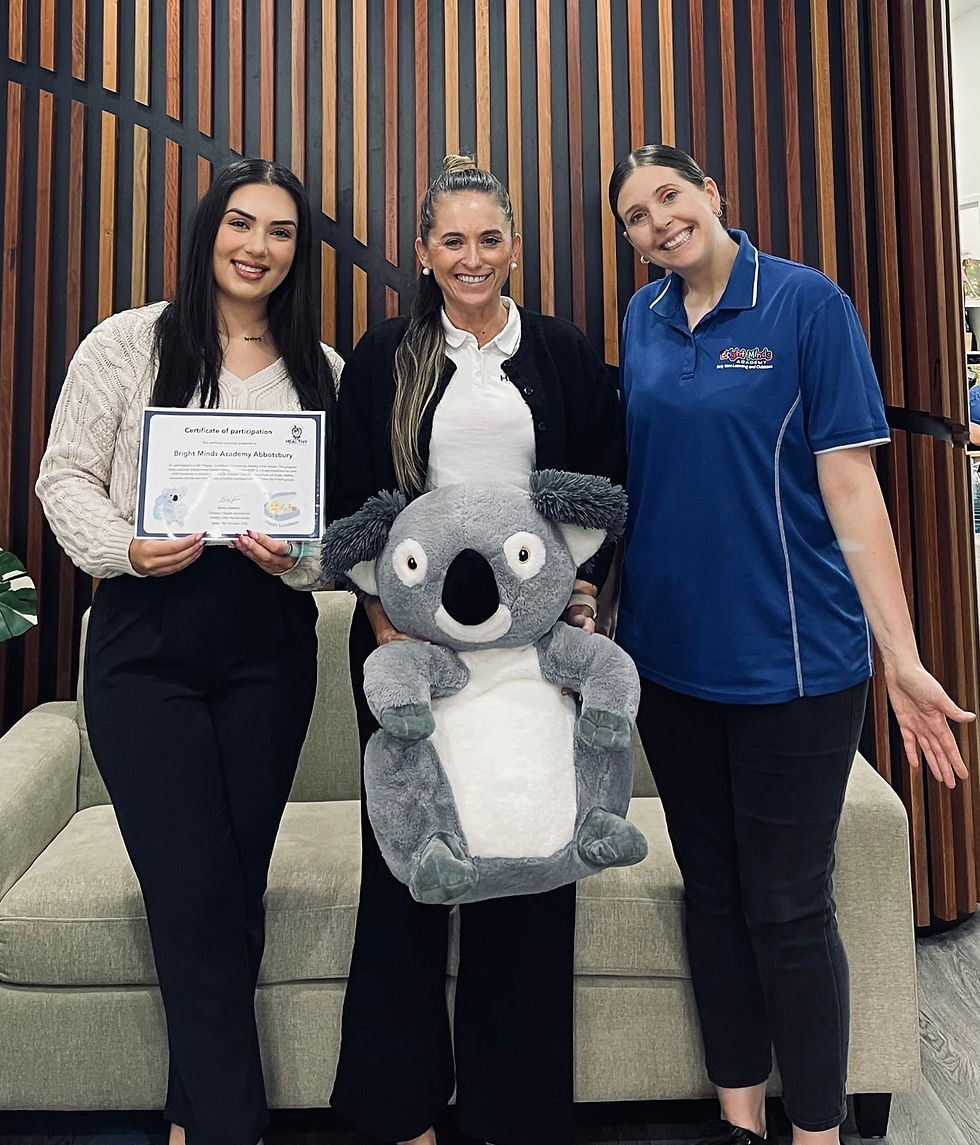
Our programs use interactive experiences to introduce food concepts in ways that are engaging and age-appropriate.
During our I Can EAT a Rainbow sessions, children explore the colours, names and characteristics of fruits and vegetables. Familiar characters, including Super Alfie the Avocado & Wanda Watermelon help bring conversations about food to life.
Through storytelling, games, props and hands-on activities, children have opportunities to:
Recognise and name different fruits and vegetables.
Explore the colours, textures and characteristics of foods.
Begin to understand how food supports their bodies as they grow and develop.
Ask questions, share their existing knowledge and communicate their ideas.
Build familiarity with a wider variety of foods in a positive, pressure-free environment.
These experiences help children develop early food knowledge and health literacy, giving them language and concepts they can continue exploring with educators and families.
We also reinforce an important message: children do not have to like every food. Being curious, exploring unfamiliar foods and having opportunities to become more comfortable with them can all be part of a positive learning experience.
Taking early childhood nutrition education beyond the classroom
National Nutrition Week also provided an opportunity to connect with the wider food and health community. On Friday 16 October, I represented Healthy Little Heroes at Western Sydney University’s World Food Day Expo at the Hawkesbury campus.

It was an opportunity to share our work with university staff, students and people working across food and health industries, and to discuss the role of nutrition education in early childhood settings.
Early childhood nutrition education is a specialised area, but it connects with broader conversations about health promotion, food literacy and the environments that support children’s health.
I enjoyed sharing what we do at Healthy Little Heroes and exploring opportunities to connect with others who are interested in improving health outcomes. Building awareness of early childhood nutrition education beyond individual services is important.
Collaboration: the magic ingredient
Delivering 13 sessions across nine services required plenty of preparation, travel and teamwork. I am grateful to Gen, our nutritionist, for helping make such a busy week possible, and to the educators and services who welcomed us into their learning environments.
The enthusiasm of the children, the conversations with educators and the opportunity to share our work at Western Sydney University all made the week a really special experience.
Bringing nutrition education to your early learning service
Healthy Little Heroes delivers interactive nutrition education programs for toddlers and preschool-aged children across Western Sydney and Sydney, with further locations available by arrangement.
Our programs include:
I Can EAT a Rainbow: Children explore colourful fruits and vegetables and learn how food helps their bodies grow.
Little Farmers: Children discover where food comes from through storytelling and hands-on activities about growing food.
Happy Lunchbox: Children explore lunchbox foods and learn about the different food groups.
Mini Rainbow Heroes: Toddlers explore food, colours and sensory experiences through age-appropriate play.
Our sessions are designed for early childhood settings and support relevant Early Years Learning Framework (EYLF) learning outcomes.

Whether you are planning a special event, extending a learning focus or looking for a new experience for your children, nutrition education can be a practical and engaging addition to your service’s program.
Interested in bringing Healthy Little Heroes to your service?


Comments